
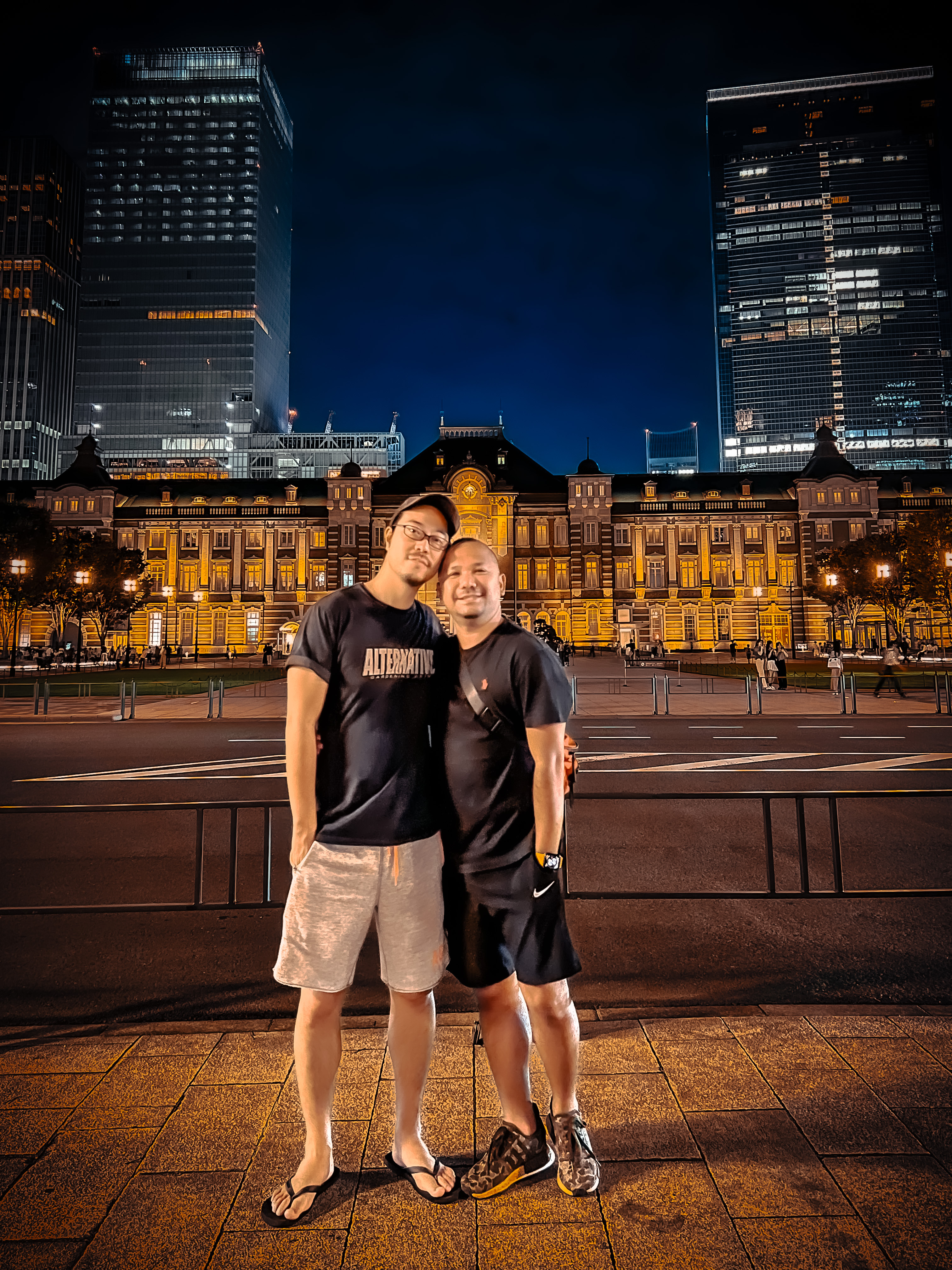
Traveling as an LGBTQ+ person requires additional considerations, and Japan is no exception. While Japan is generally a safe country with low crime rates, understanding the legal landscape, cultural context, and practical safety tips can help ensure a positive and secure experience. Having guided many LGBTQ+ travelers through Japan, I want to share essential safety information that will help you navigate your journey with confidence.
First and foremost, it's important to understand Japan's legal landscape regarding LGBTQ+ rights. While Japan doesn't have explicit laws criminalizing same-sex relationships, it also doesn't have comprehensive anti-discrimination protections for LGBTQ+ people. Same-sex marriage is not legally recognized at the national level, though some municipalities have introduced partnership systems. This legal ambiguity means that while you're unlikely to face legal issues, you also don't have explicit legal protections in many situations.
However, it's crucial to understand that Japan's legal situation doesn't necessarily reflect the reality on the ground. In practice, Japan is generally very safe for LGBTQ+ travelers. The country has low crime rates overall, and violent crime is extremely rare. Most LGBTQ+ travelers report feeling safe during their visits, especially in major cities like Tokyo, Osaka, and Kyoto.
When it comes to public displays of affection, Japan has a more reserved culture compared to many Western countries. This applies to all couples, regardless of sexual orientation. While holding hands is generally acceptable, more intimate displays of affection are less common in public spaces. This cultural norm is about general modesty rather than specific discrimination against LGBTQ+ people.
For LGBTQ+ couples traveling together, understanding accommodation policies is important. While Japan doesn't have explicit laws protecting against discrimination in accommodation, most hotels and guesthouses are professional and welcoming to all guests. However, some traditional ryokan (Japanese inns) may have policies about same-sex couples sharing rooms. It's always best to check policies in advance, especially for traditional accommodations.
Major hotel chains in Japan are generally LGBTQ+ friendly and have non-discrimination policies. International chains and modern Japanese hotels typically welcome all guests equally. When booking accommodation, look for establishments that explicitly state they welcome all guests, or stick with well-known international chains if you want to avoid any potential issues.
When it comes to nightlife and entertainment districts, Japan's LGBTQ+ areas are generally safe. Shinjuku Nichome in Tokyo and Doyama in Osaka are well-established LGBTQ+ districts with active nightlife scenes. These areas are generally safe, well-lit, and have a visible presence of both LGBTQ+ community members and allies. However, as with any nightlife district, it's wise to stay aware of your surroundings, especially late at night.
One important safety consideration is alcohol consumption. Japan has a vibrant drinking culture, and it's easy to overindulge, especially in social settings like izakaya. While this is generally safe, it's important to know your limits and stay aware of your surroundings. If you're drinking, make sure you know how to get back to your accommodation safely.
Public transportation in Japan is excellent and generally very safe. Trains and subways are clean, efficient, and well-patrolled. However, during rush hours, trains can be extremely crowded, which can be uncomfortable for some travelers. If you're uncomfortable with crowded spaces, consider traveling during off-peak hours.
For solo LGBTQ+ travelers, Japan is generally a very safe destination. The country has low crime rates, and solo travelers, regardless of their identity, typically feel safe exploring both during the day and at night. However, it's always wise to take standard safety precautions, such as letting someone know your itinerary and staying aware of your surroundings.
When it comes to documentation and identification, Japan doesn't require you to disclose your sexual orientation or gender identity. Your passport and other travel documents are sufficient for entry and travel within the country. However, if you're traveling with a same-sex partner and encounter any issues, having documentation of your relationship (such as a domestic partnership certificate) can sometimes be helpful, though it's not legally recognized in Japan.
Medical care in Japan is excellent, and LGBTQ+ travelers should feel comfortable seeking medical attention if needed. Japanese healthcare providers are professional and generally non-judgmental. However, if you have specific health needs related to your LGBTQ+ identity, it may be helpful to research LGBTQ+ friendly healthcare providers in advance, especially in major cities.
For transgender travelers, Japan can present some unique considerations. While Japan is generally safe, understanding local customs around gender-segregated spaces (such as public baths or changing rooms) is important. Some facilities may have policies that don't align with your gender identity. Researching facilities in advance and choosing LGBTQ+ friendly options when possible can help ensure a comfortable experience.
One of the most important safety tips is to trust your instincts. If a situation feels uncomfortable or unsafe, remove yourself from it. Japan is generally very safe, but like anywhere in the world, it's important to stay aware and trust your judgment.
Connecting with local LGBTQ+ communities can also enhance your safety. Local community organizations and LGBTQ+ friendly businesses can provide valuable information about safe spaces, current events, and resources. Many cities have LGBTQ+ community centers or organizations that welcome visitors and can provide support and information.
When it comes to emergencies, Japan has excellent emergency services. The police are generally professional and helpful, though language barriers can sometimes be a challenge. The emergency number is 110 for police and 119 for fire and ambulance services. Many emergency operators have English-speaking staff, especially in major cities.
For legal issues or discrimination concerns, there are resources available. While Japan doesn't have comprehensive anti-discrimination laws, there are organizations that can provide support and advice. The Japan Alliance for LGBT Legislation (J-ALL) and other organizations work to support LGBTQ+ rights and can provide information and resources.
One thing that makes Japan particularly safe for LGBTQ+ travelers is the country's emphasis on harmony and respect. Japanese culture values avoiding conflict and treating others with respect, which generally creates a safe and welcoming environment. While this doesn't mean discrimination never occurs, it does mean that most interactions are respectful and professional.
Remember that safety is about more than just physical safety - it's also about emotional and psychological well-being. Being in a foreign country where you might not speak the language fluently can be stressful. Taking care of your mental health, staying connected with loved ones back home, and giving yourself permission to take breaks when needed are all important aspects of staying safe and healthy while traveling.
The key to staying safe as an LGBTQ+ traveler in Japan is to be informed, be aware, and be yourself. Japan is generally a very safe destination, and with proper preparation and awareness, you can have a wonderful and secure experience. Trust your instincts, connect with the local LGBTQ+ community when possible, and remember that you have every right to enjoy your journey authentically and safely.
Taka & Ady
Co-Founders & Guides